
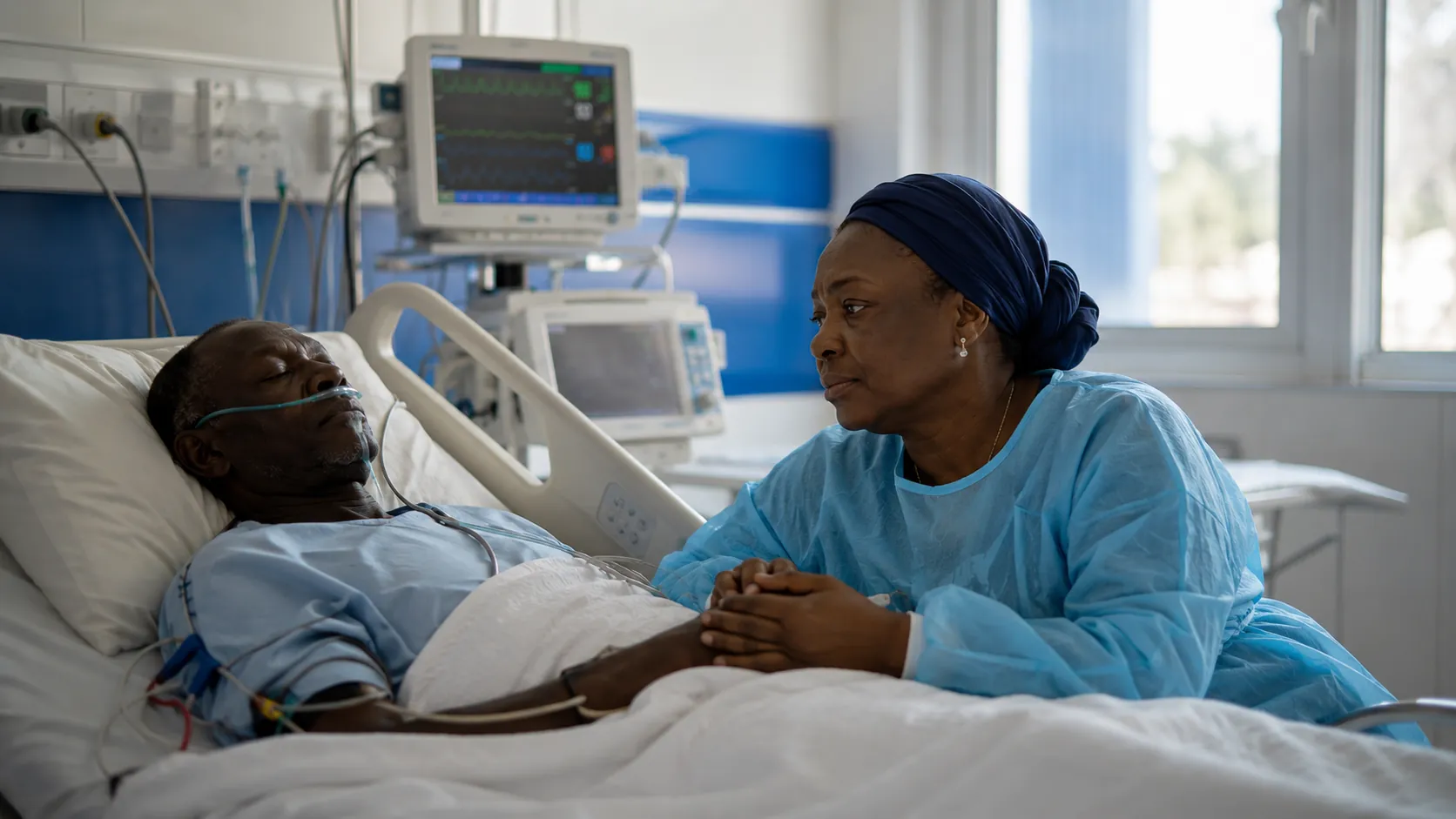
Families are told the patient is out of danger and they expect the story to end there. Then the patient comes home, cannot climb the stairs, cannot concentrate long enough to follow a conversation, wakes from vivid nightmares, and weeps without knowing why. Nobody warned them, so they assume something has gone wrong.
Nothing has gone wrong. This is the normal shape of recovery from critical illness, and it has a name.
Post intensive care syndrome
Post intensive care syndrome describes the physical, cognitive and psychological problems that persist after a stay in intensive care. It is common, it is well described, and it is poorly explained to patients almost everywhere.
The physical part
Critical illness destroys muscle at a rate that shocks people. A patient can lose a substantial proportion of their muscle mass within the first two weeks, driven by immobility, inflammation and the metabolic effects of severe illness combined.
The result is profound weakness. Patients who walked into hospital cannot stand unaided on discharge. Others develop critical illness neuropathy or myopathy, affecting nerves and muscles directly, which takes months to improve.
Alongside that: severe fatigue disproportionate to activity, breathlessness on minimal exertion, joint stiffness, hair loss two to three months afterwards, a hoarse voice and swallowing difficulty after intubation, and altered taste. Weight lost as muscle is not regained simply by eating; it requires progressive, structured exercise.
Physiotherapy is not optional here. It is the treatment.
The cognitive part
Many survivors have difficulty with memory, attention, planning and processing speed. Words do not come. The thread of a conversation is lost. Familiar tasks take much longer than they used to.
This is real and it is measurable, and it is frequently mistaken by families for depression or, worse, for laziness. Most patients improve substantially over six to twelve months, though some deficits persist. Returning to work often needs a phased approach rather than a single date.
The psychological part
Anxiety, depression and post traumatic stress are all common after intensive care. Nightmares and intrusive memories are frequent, and they are often of things that did not happen.
That last point deserves explanation, because it distresses families enormously. Critically ill patients on sedation frequently experience vivid delusional memories: being restrained, being harmed, people trying to kill them. These feel entirely real afterwards. They are a recognised consequence of sedation, sleep deprivation, delirium and severe illness. A patient describing them is not confused about the present, and they are not accusing anyone.
Equally common is the opposite: large gaps with no memory at all, which is unsettling in a different way.
What actually helps
- Explanation. Knowing this pattern exists changes the experience of living through it more than almost anything else.
- Structured physiotherapy, progressing gradually. Overexertion causes setbacks; doing nothing causes further decline.
- Nutrition with adequate protein, because muscle cannot be rebuilt without it.
- Sleep routine, which is often severely disrupted and improves with consistent timing and daylight exposure.
- Talking about it. Some units keep a diary of the admission for the patient to read afterwards, which helps fill the gaps and reduces distress about the delusional memories.
- Professional support where anxiety, low mood or intrusive memories persist beyond a few months.
- Patience. Six to twelve months is a normal timescale. Some people take longer.
For families
You will be affected too. Anxiety, guilt, exhaustion and intrusive memories are common in relatives of intensive care patients and can persist long after the patient is home. Caring for someone who is weak, forgetful and emotionally changed is genuinely hard work, and it goes on for months.
Get your own support. Accept the help people offer. It is not selfish to look after yourself; it is what makes it possible to keep looking after them.
When to seek medical review
See a doctor if there is chest pain or breathlessness worse than expected, fever or signs of new infection, a wound that becomes red or discharges, swelling or pain in one leg, weakness that is worsening rather than slowly improving, difficulty swallowing that is not settling, or any thoughts of self harm.
Recovery is not linear. Bad weeks follow good ones. What matters is the direction over months, not the difference between Tuesday and Wednesday.
If this is your situation right now
Call the unit. If you are a clinician referring a patient, share the current clinical details so the receiving team can assess the referral before any transfer is arranged.