
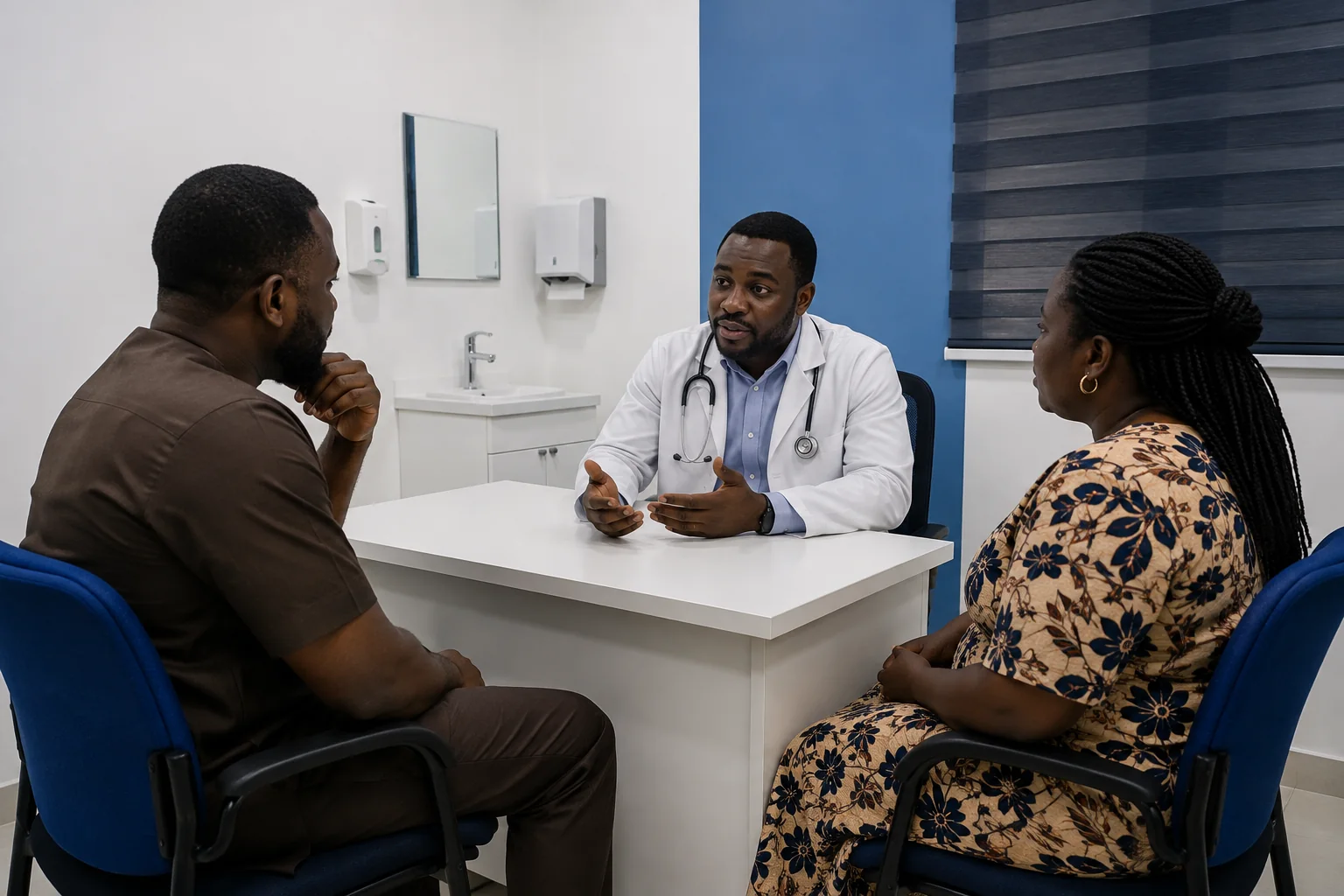
The first hour is not a good time to ask for detail
When a patient arrives in the unit, several people work on them at once. Lines are placed, monitoring is attached, blood is taken, imaging is arranged, drugs are started. It looks alarming from outside and it is entirely normal.
You will usually be asked to wait during this period. It is not because information is being withheld. It is because everyone in the room is doing something that cannot pause, and because a partial answer given in the first twenty minutes is often wrong.
What we will ask you
Your knowledge of the patient is genuinely clinically useful, particularly if they cannot speak for themselves. Expect questions about existing conditions, every medication they take including anything herbal or bought over the counter, allergies, previous operations, whether they smoke or drink, and what happened in the hours before they became unwell.
If you can bring the actual medication packets, or photographs of them, that is more reliable than anyone's memory.
What you will see at the bedside
Most of what looks frightening is routine. A monitor above the bed showing heart rate, blood pressure, oxygen level and breathing. Several drip lines. A tube in the bladder measuring urine output. Possibly a breathing tube connected to a ventilator. Possibly a dialysis machine.
Alarms will sound frequently. Most are triggered by movement or a sensor slipping rather than by an emergency, and staff are constantly triaging them. If something is genuinely wrong, you will see the response, not just hear a noise.
The first conversation
Once the patient is stable, a senior member of the team will speak with you properly. Bring someone with you if you can, because almost nobody retains this kind of information alone. Write questions down beforehand.
Ask what is wrong, what is being done, what the next 24 hours are expected to look like, and what would count as improvement. Ask them to repeat anything you did not follow. Nobody in the unit will think less of you for it.