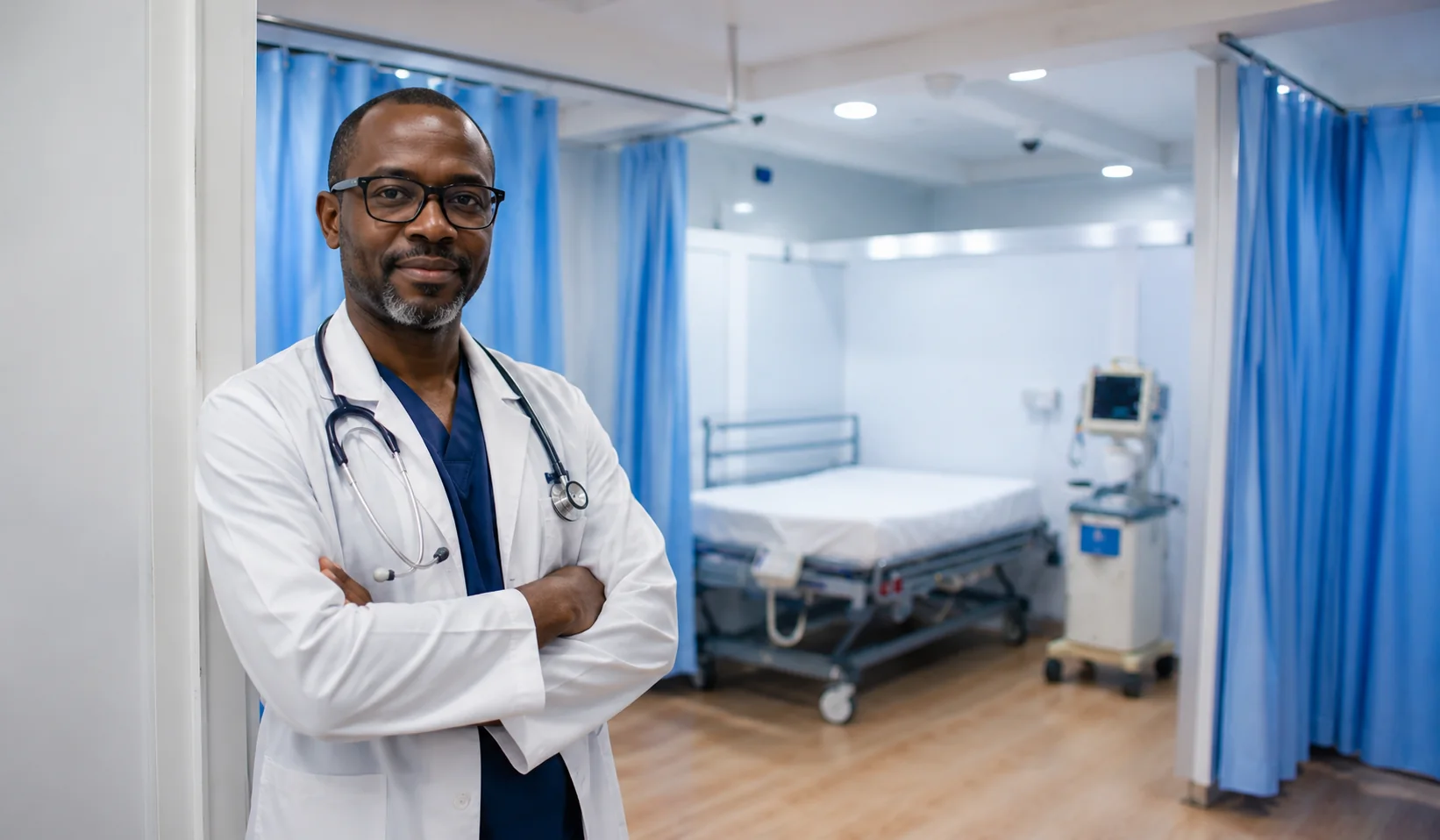
Continuous monitoring
Heart rhythm, blood pressure, oxygen, breathing, urine output and consciousness tracked without interruption, so deterioration is caught in the hours before it becomes a crisis.
24 hour referralsMainland Hospital, Yaba · Part of SkyHigh Medical Centre
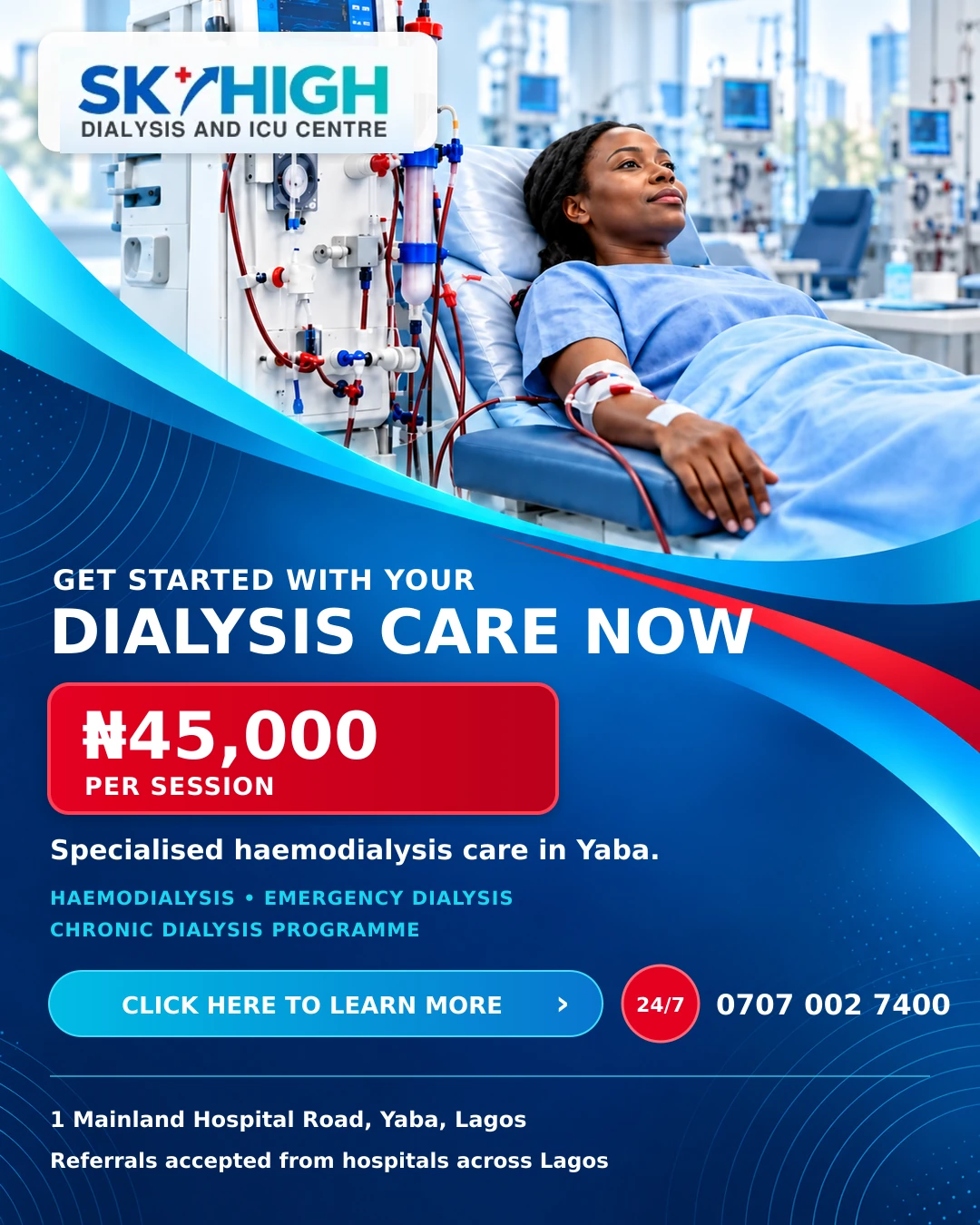
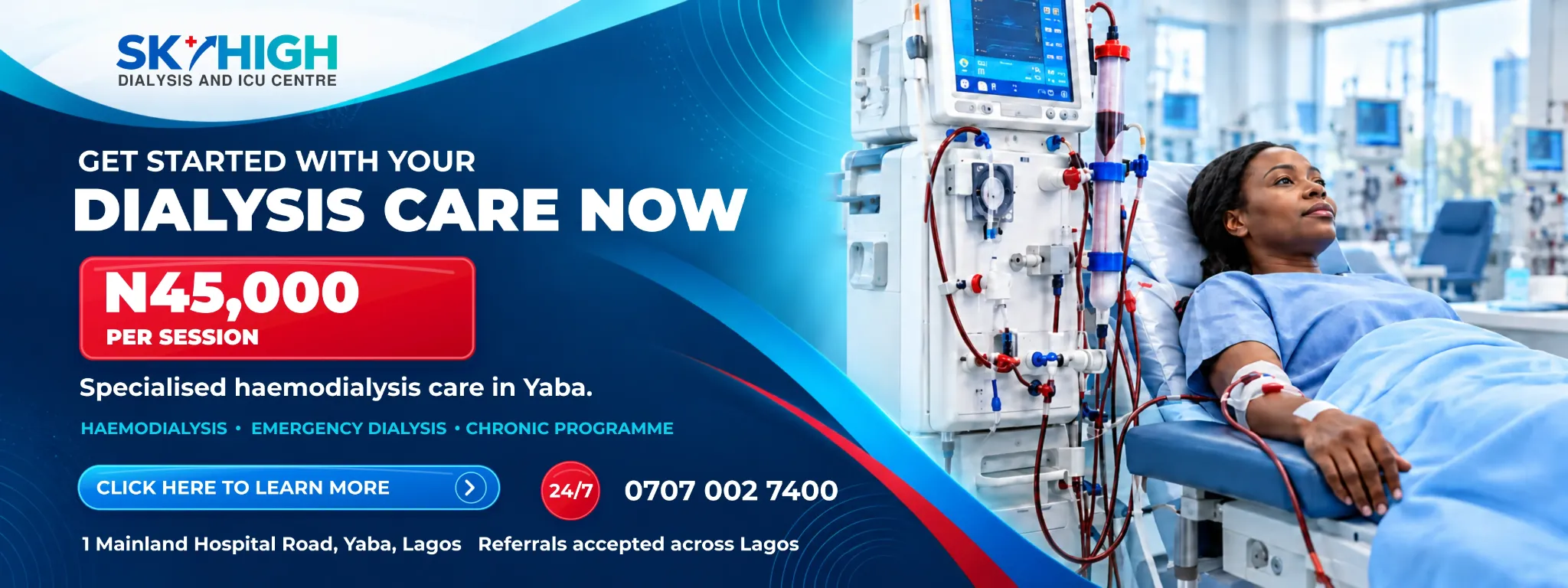
A dedicated intensive care and haemodialysis unit at 1 Mainland Hospital Road, Yaba. Continuous monitoring, ventilation, organ support and dialysis in the same place, so a critically ill patient who needs both does not have to be moved across Lagos to get it.
What this unit is
What separates intensive care from a well equipped ward is that somebody is watching continuously, and that the failing function of an organ can be taken over until it recovers. The equipment is the visible part. The watching is the part that saves lives.
Heart rhythm, blood pressure, oxygen, breathing, urine output and consciousness tracked without interruption, so deterioration is caught in the hours before it becomes a crisis.
Breathing supported by a ventilator, blood pressure held up by drugs given through a drip, and dialysis when the kidneys stop. The machines buy the time in which treatment can work.
A critically ill patient who needs dialysis does not have to be moved. The dialysis unit and the intensive care beds are in the same place.
We take patients from other hospitals across Lagos. Call before transfer and we will confirm availability honestly rather than leaving you to arrive and find out.
Services
Every service has its own page explaining what it involves, why it is being done, and what families should expect to see.
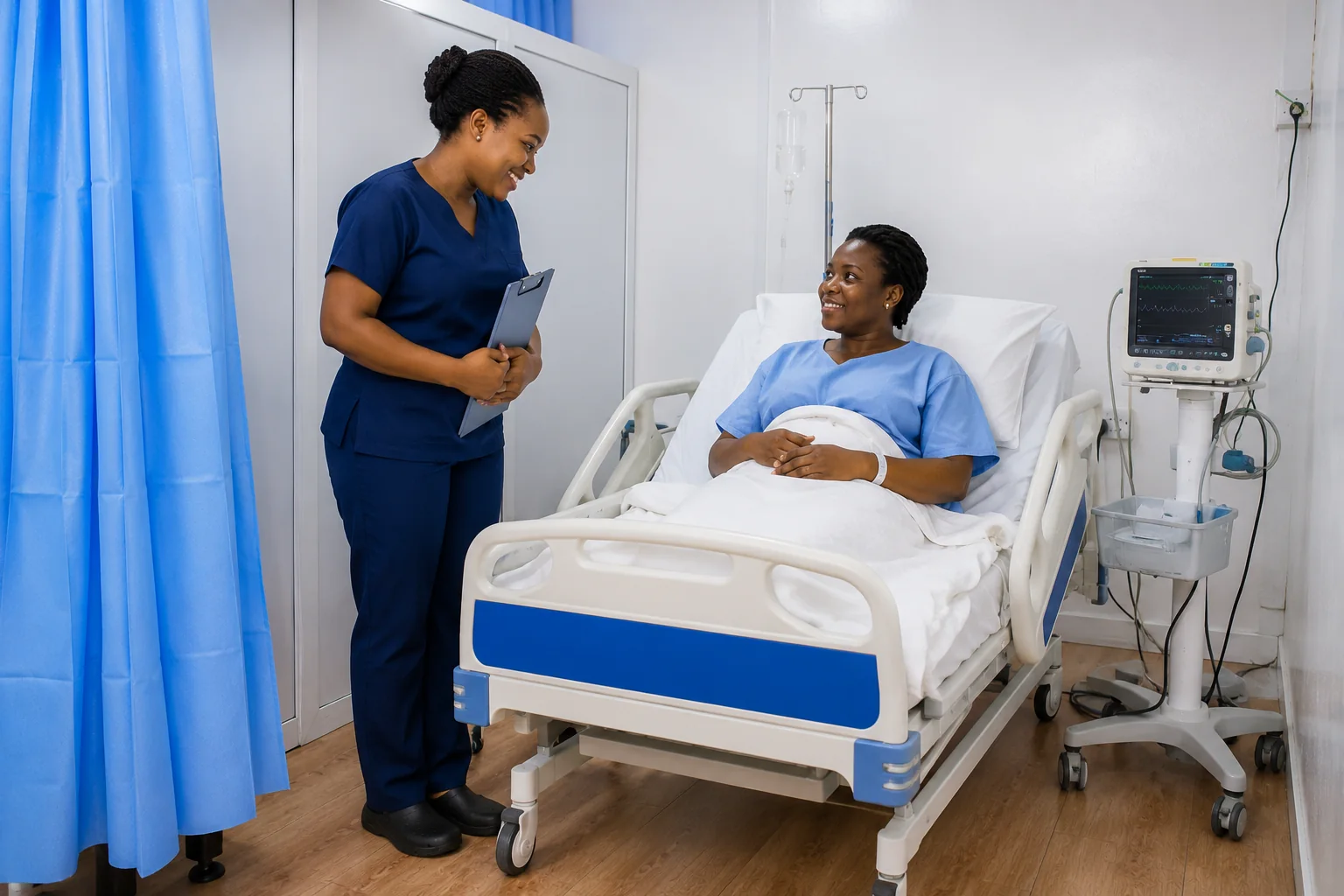
Critical care
Continuous monitoring, organ support and one to one nursing for patients who are critically ill or at risk of becoming so.
Read the full page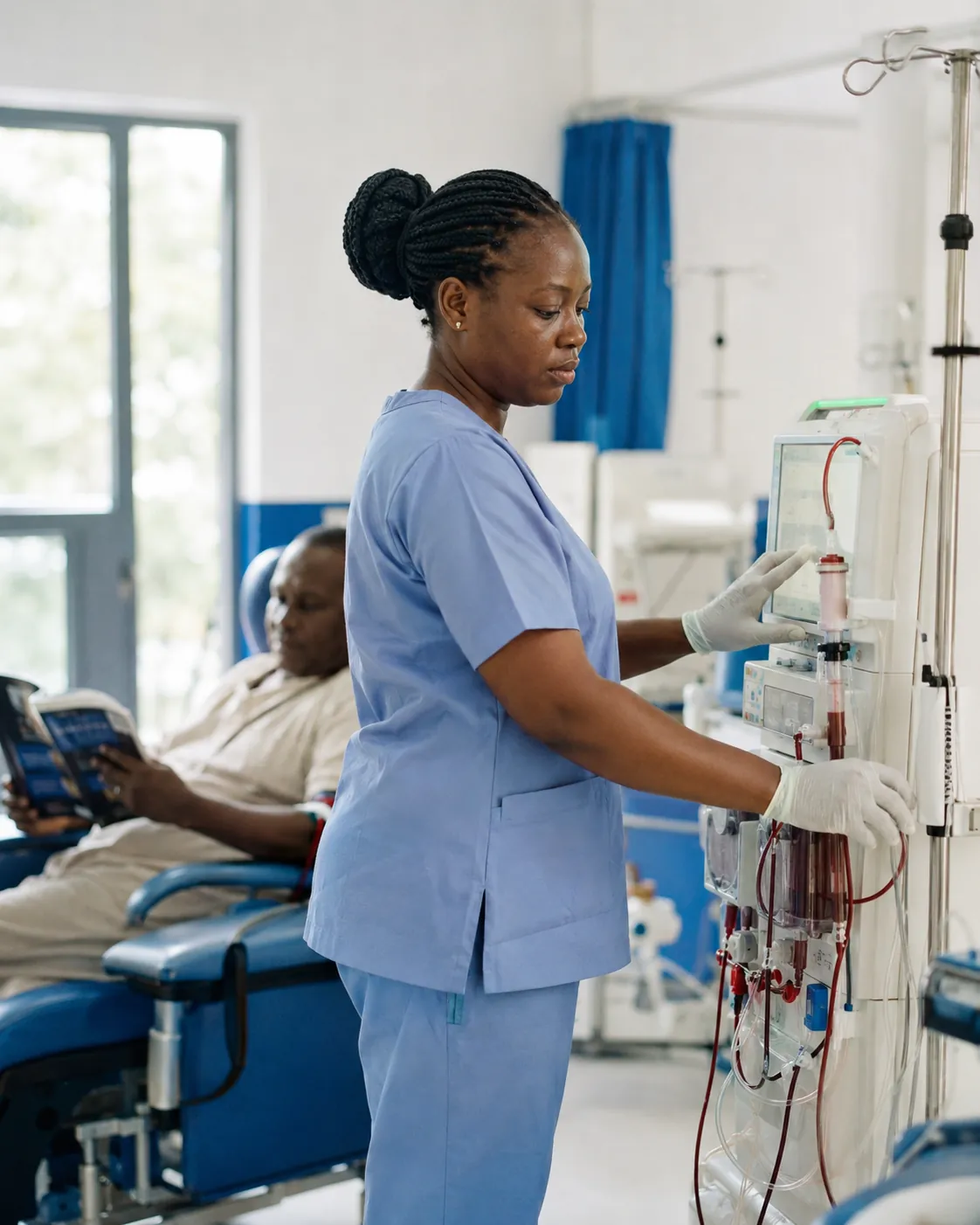
Renal and dialysis
Chronic programme dialysis, emergency dialysis and dialysis for patients who are critically ill, in a unit sited alongside intensive care.
Read the full page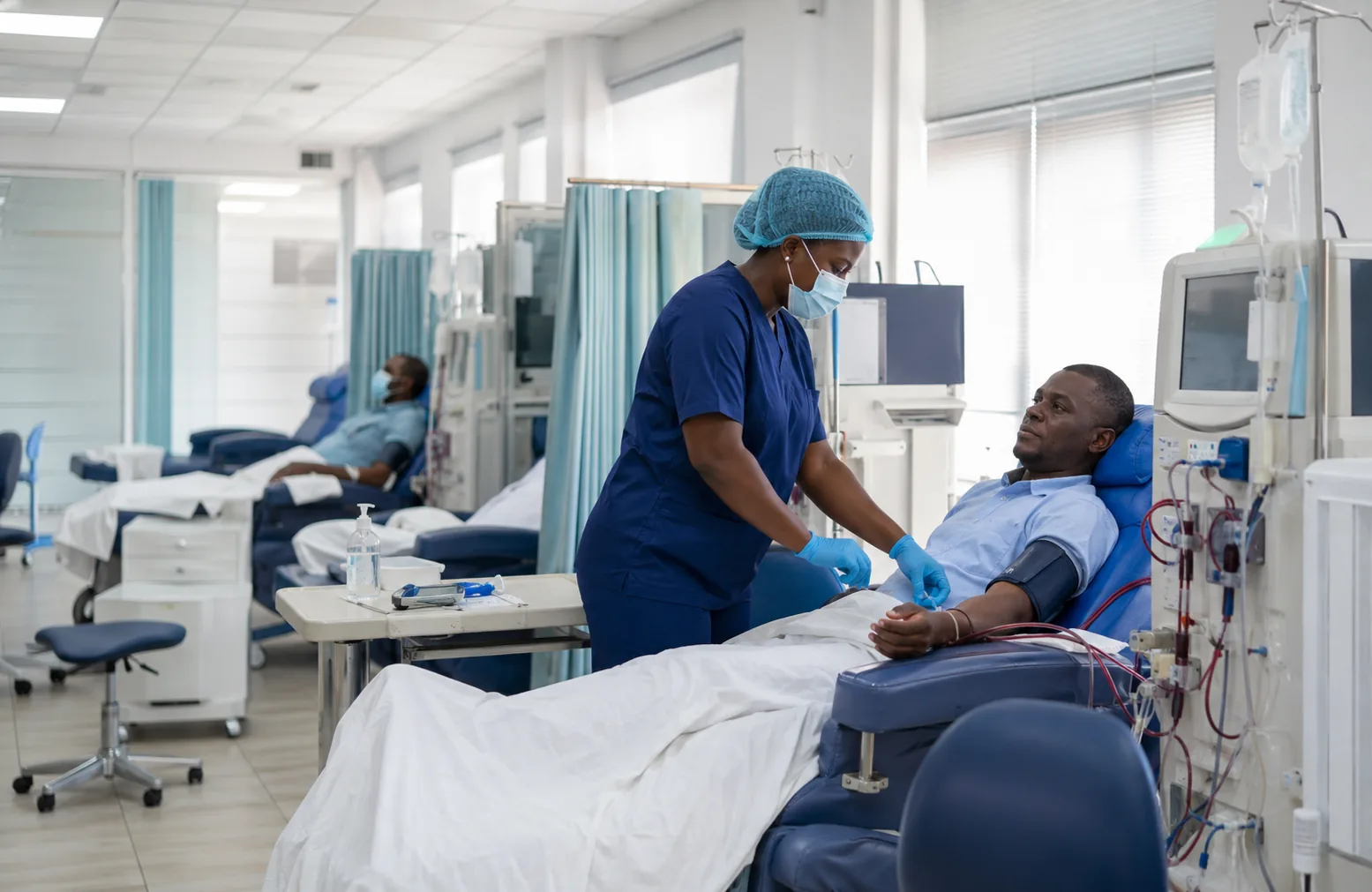
Renal and dialysis
A scheduled place on the unit for patients with established kidney failure, with a fixed slot, a named team and structured review.
Read the full page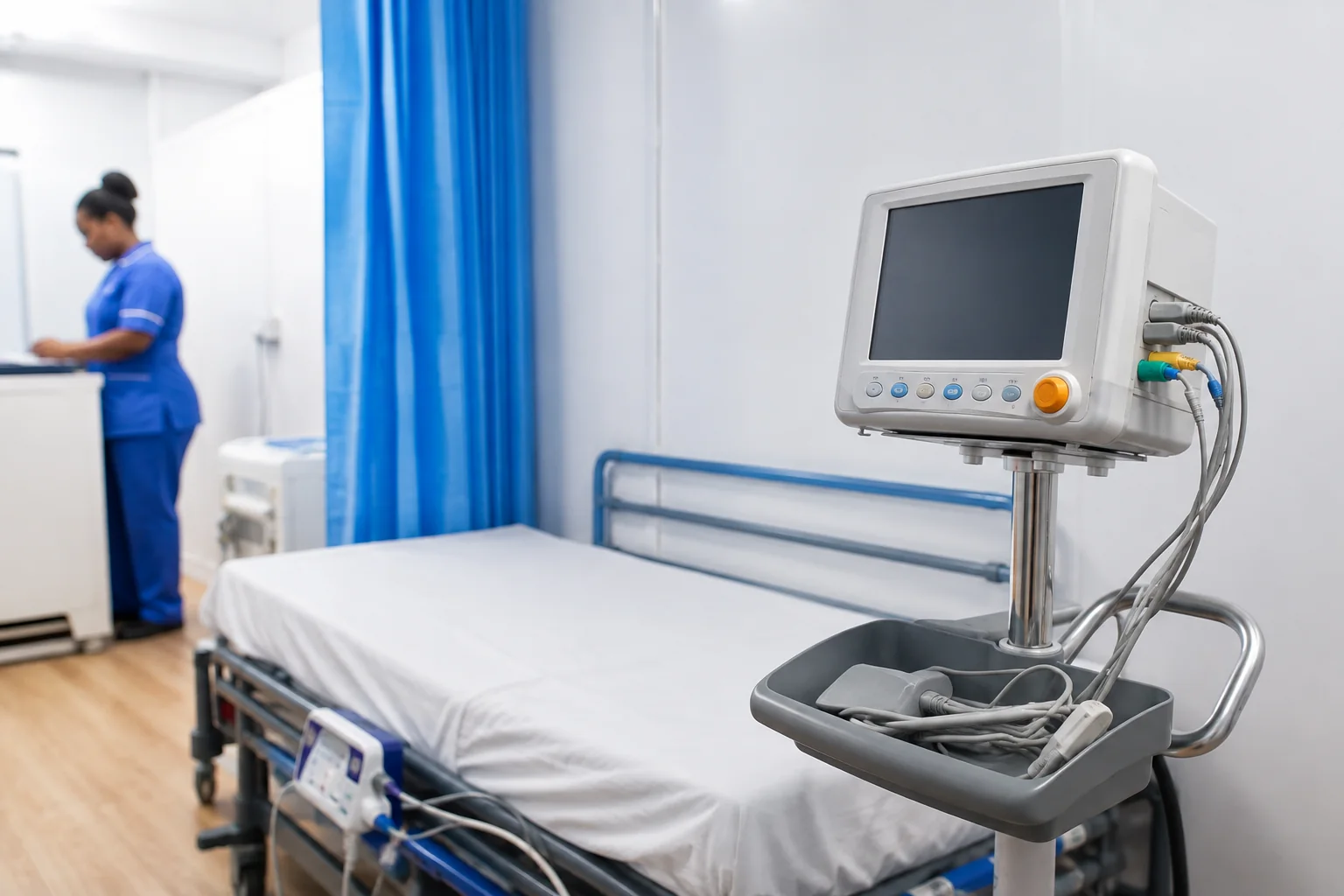
Renal and dialysis
Urgent dialysis at any hour for acute kidney injury, dangerous potassium, fluid overload and poisoning, with referrals accepted from any hospital.
Read the full page
Renal and dialysis
Fistula creation, catheter insertion and access surveillance, because dialysis is only as good as the access it runs through.
Read the full page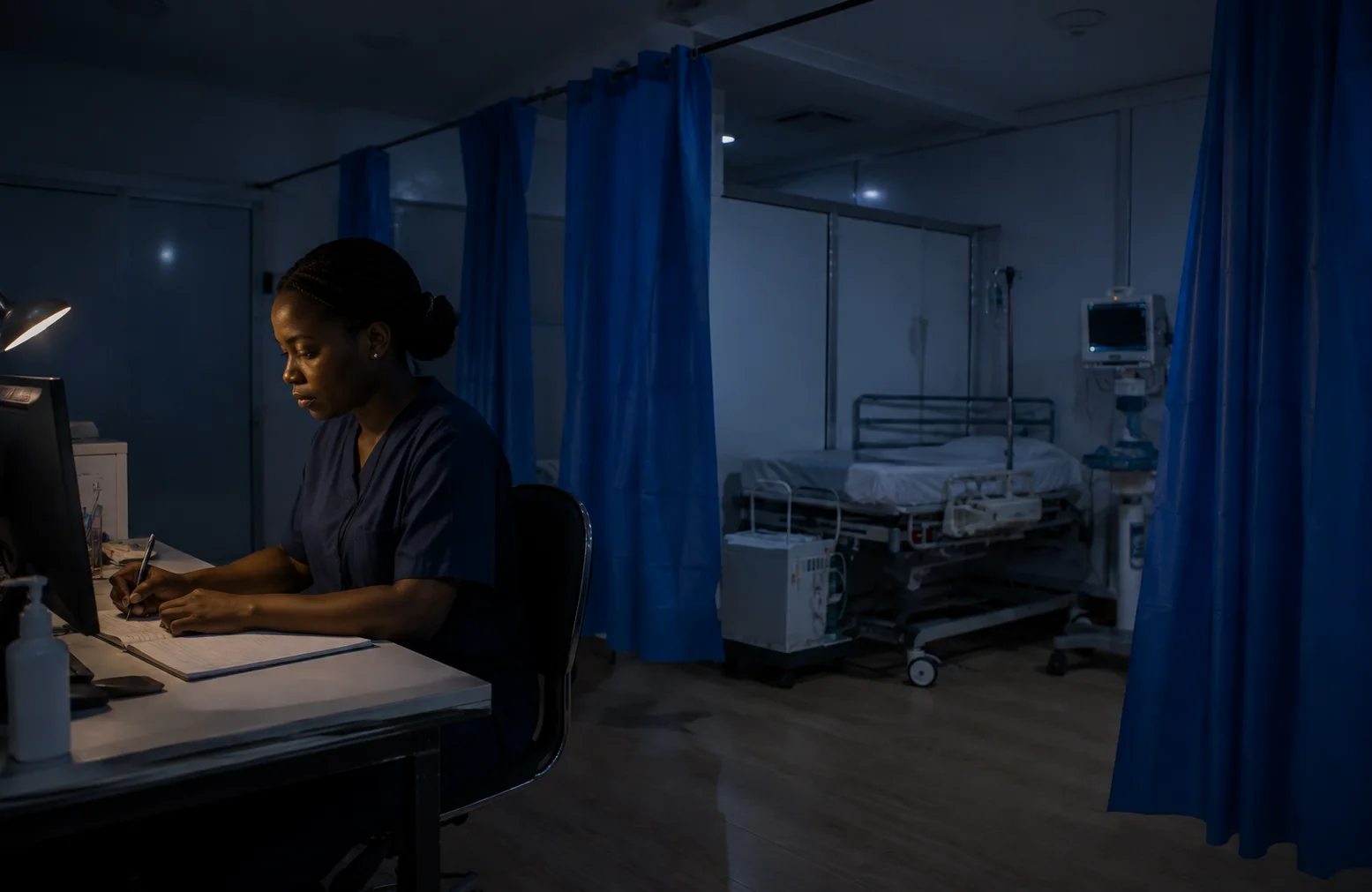
Critical care
Oxygen therapy, non invasive ventilation and full mechanical ventilation for patients whose lungs cannot meet the body's demands.
Read the full page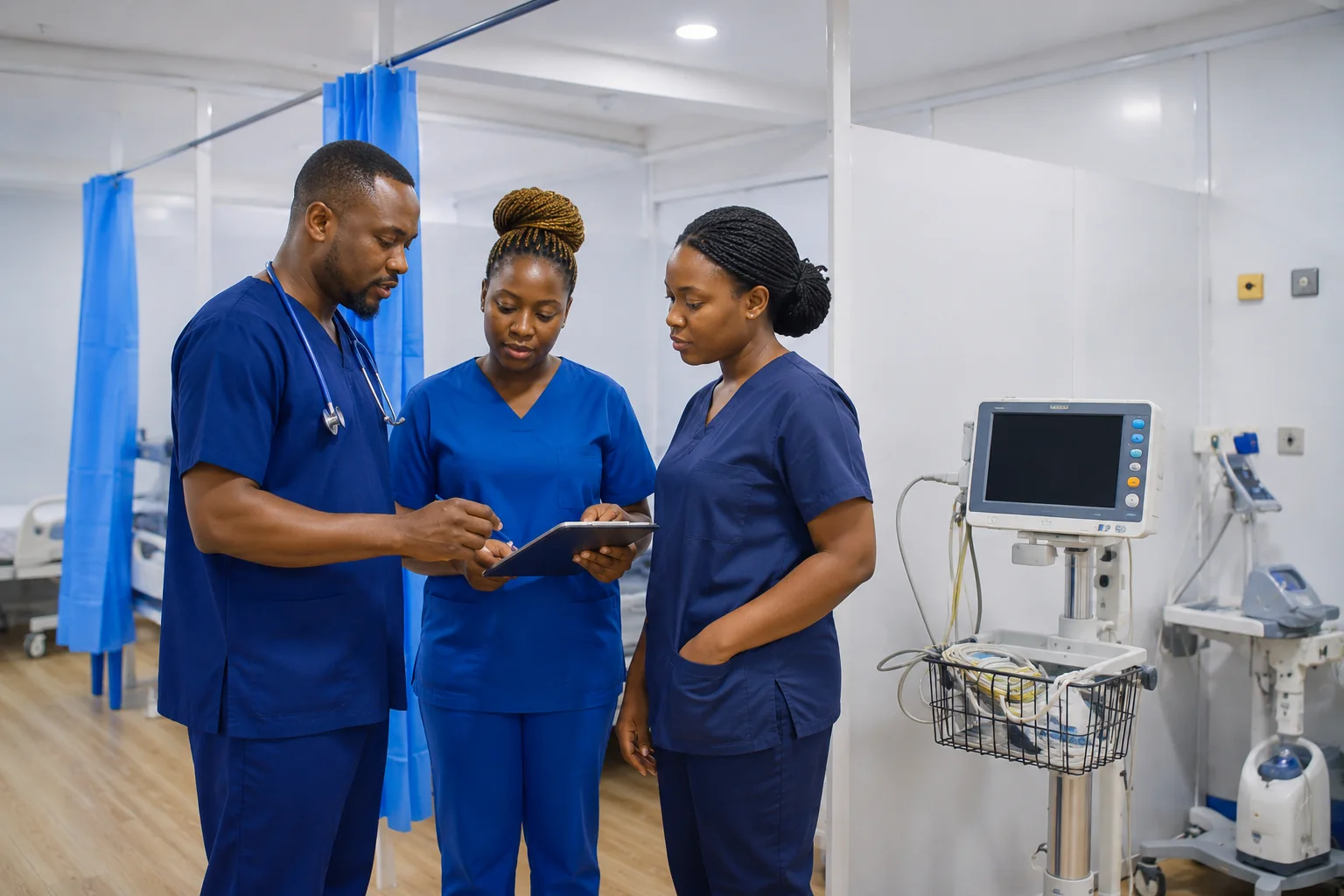
Critical care
Recognition, resuscitation and source control for sepsis, where the first hours determine much of the outcome.
Read the full page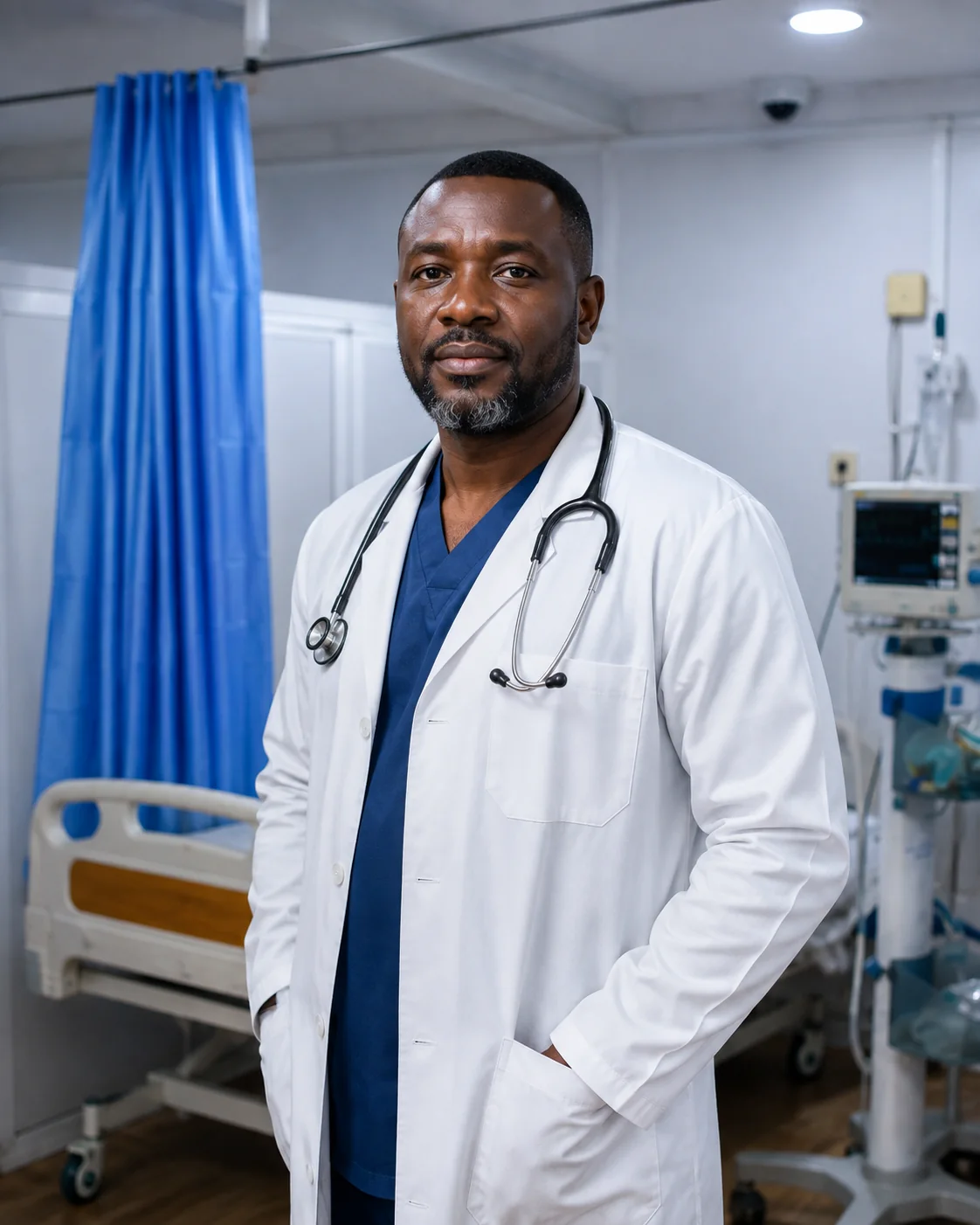
Critical care
Close monitoring in the hours after major surgery, when most avoidable complications either happen or are prevented.
Read the full page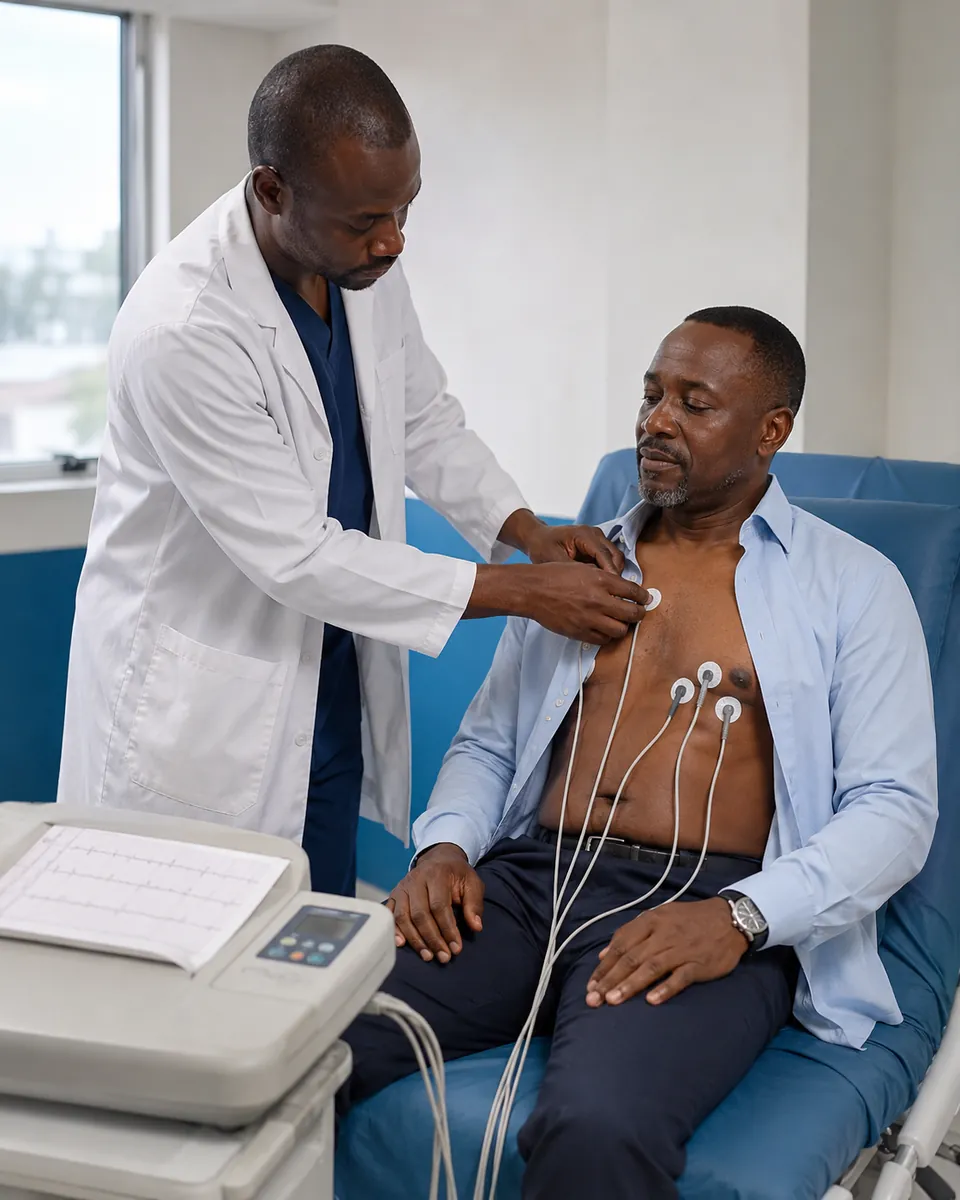
Critical care
Continuous monitoring of the heart rhythm and circulation, and structured checks on the brain after stroke, head injury and seizures.
Read the full page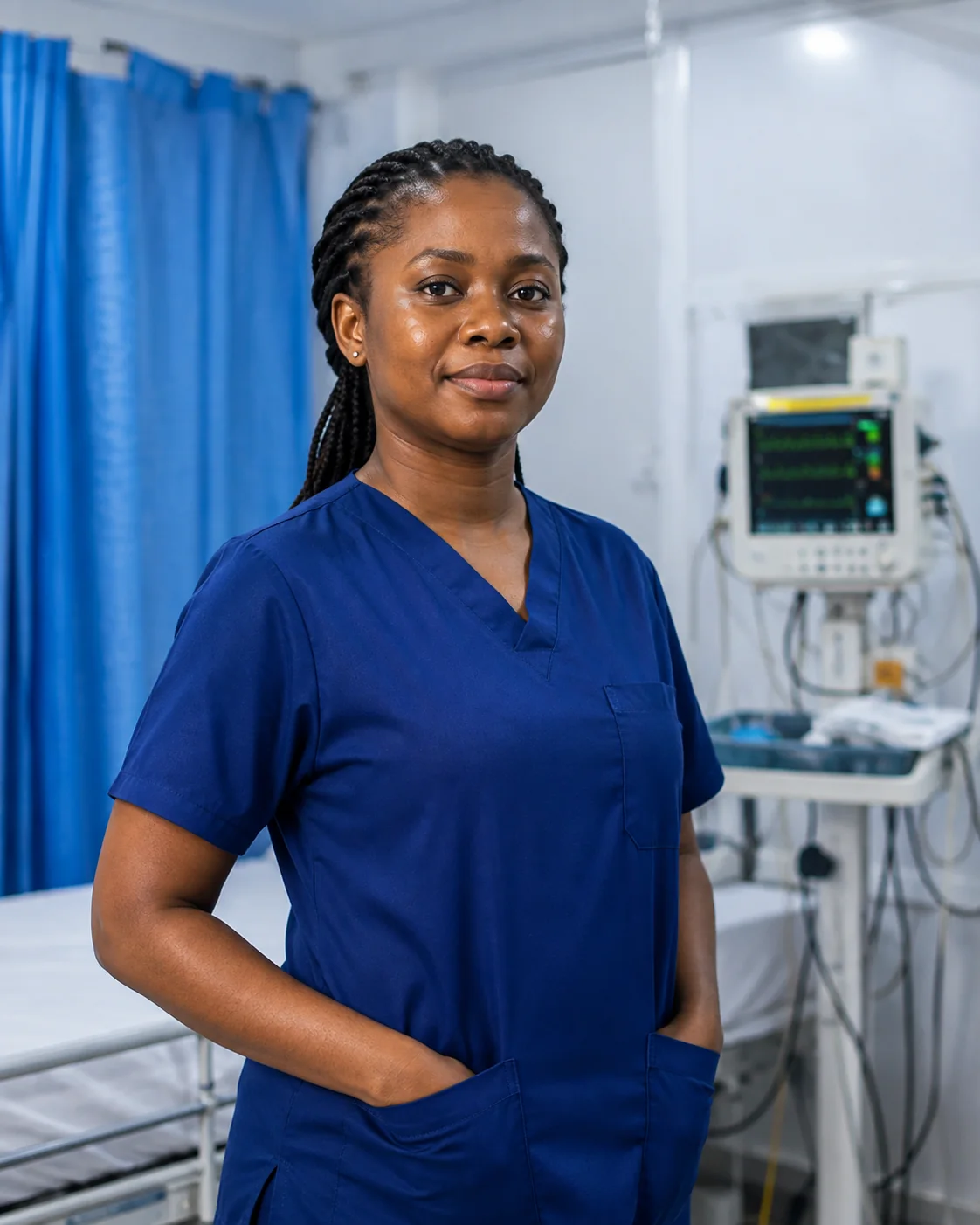
Continuing care
Feeding critically ill patients who cannot eat, because recovery from critical illness is impossible without it.
Read the full page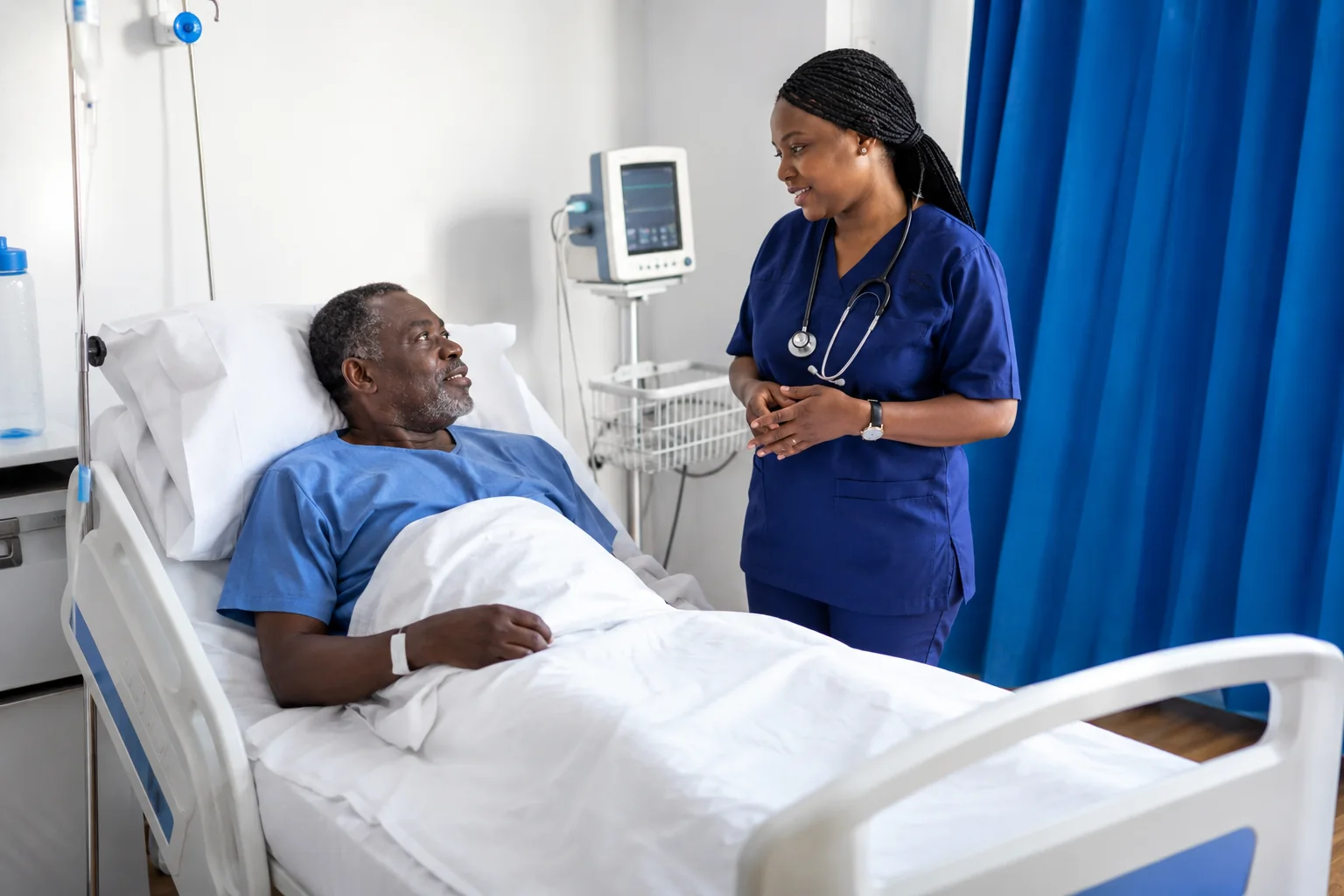
Continuing care
When cure is no longer possible, comfort, dignity and honesty become the treatment.
Read the full pageDescribe the case on the phone and the team will tell you whether we can take them, what to send ahead and how quickly we can be ready.
For families
If your relative has just been admitted, you are frightened, you have been asked to wait, and you do not know what any of the machines do. These pages were written for exactly that moment.
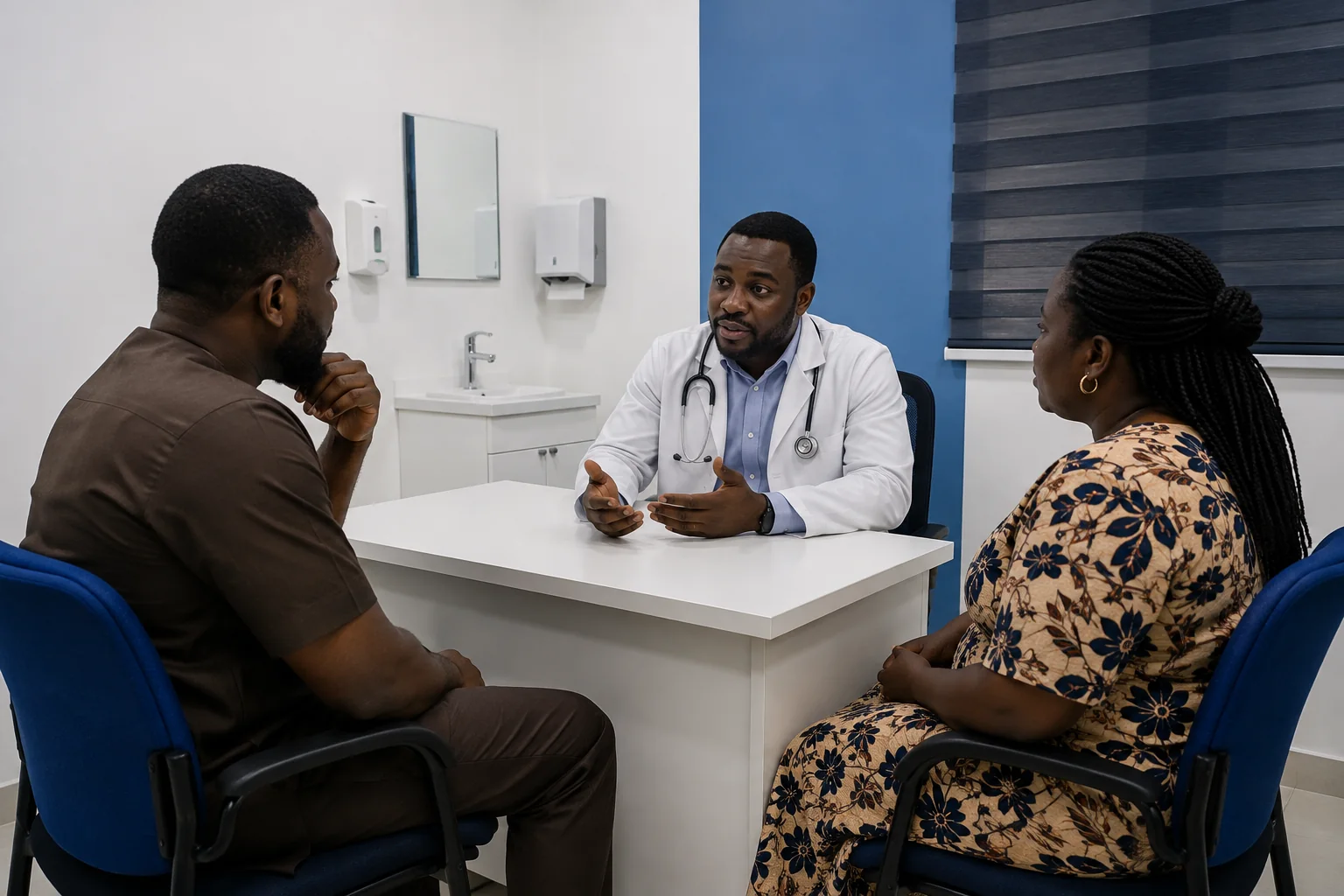
The first few hours, why you may be asked to wait, and what the team is doing while you do.
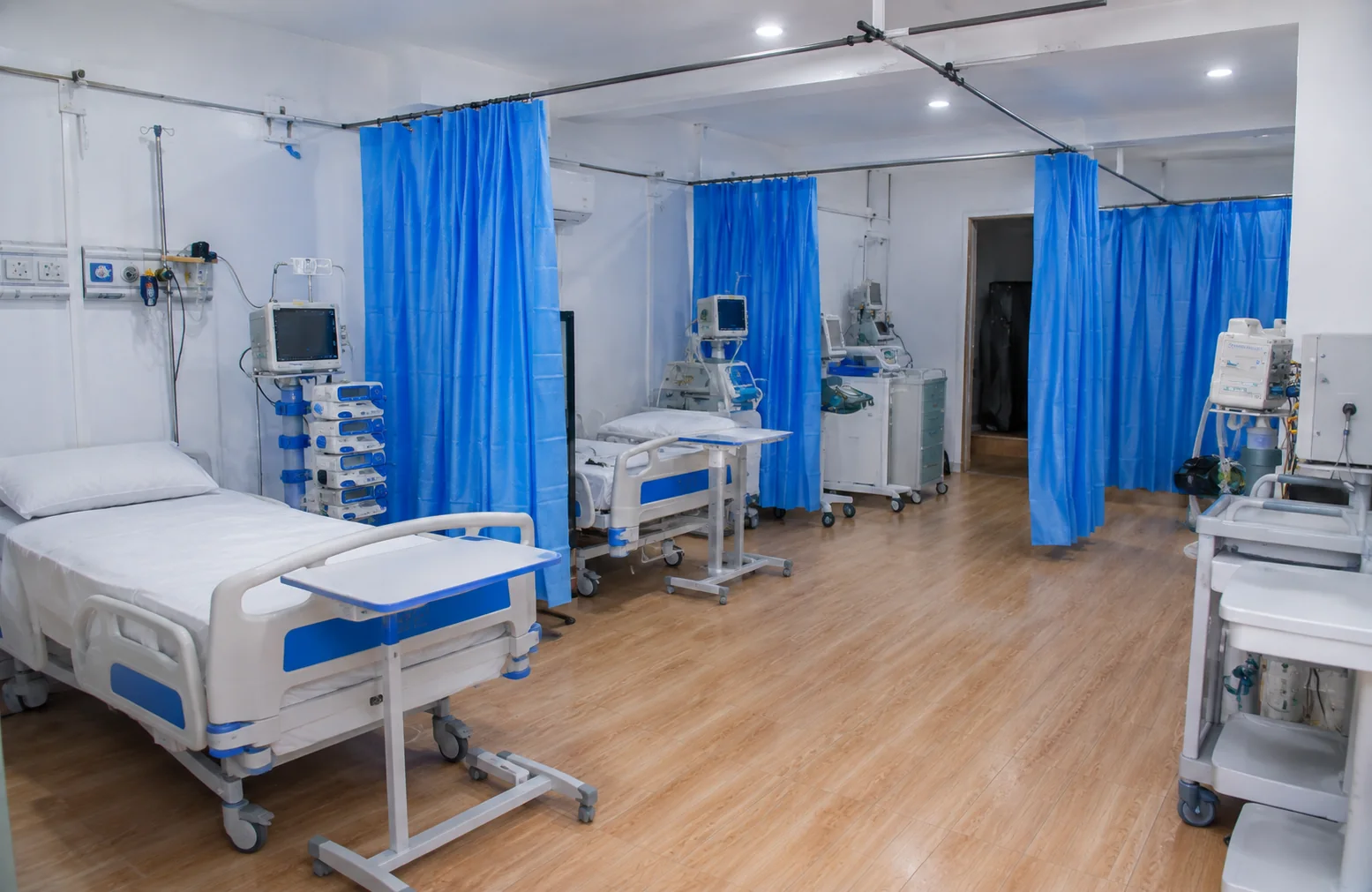
What each piece of equipment does, in language nobody uses at the bedside but everybody needs.
Who to ask, when to ask, and the specific questions that produce useful answers.

A plain glossary of the terms used at the bedside and on the ward round.
This is a marathon. Families who exhaust themselves in week one are no use in week three.
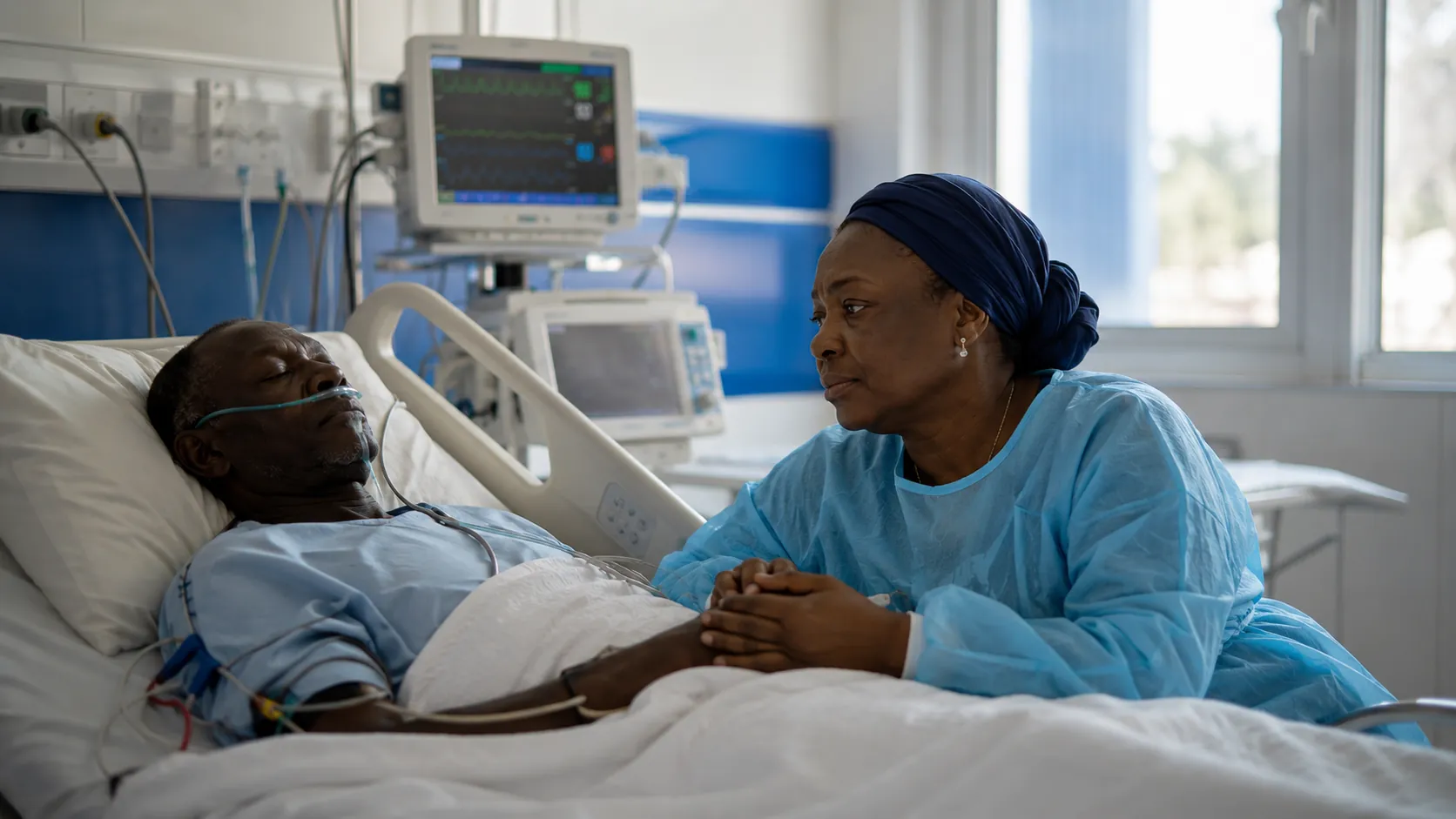
Hours, how many people may be at the bedside, arrangements for children, and what to do before you walk in.
Outcomes
Critical care is judged on one thing, which is whether people survive it. Families arriving here are usually terrified, and often arriving after being turned away somewhere else.
We would rather show you what happened to real patients than publish a percentage. Survival figures depend entirely on how sick the patients admitted were, and a unit that only takes straightforward cases will always post better numbers than one that accepts the patients nobody else would.
What we will tell you honestly, on the phone, is whether we think we can help in your specific case.
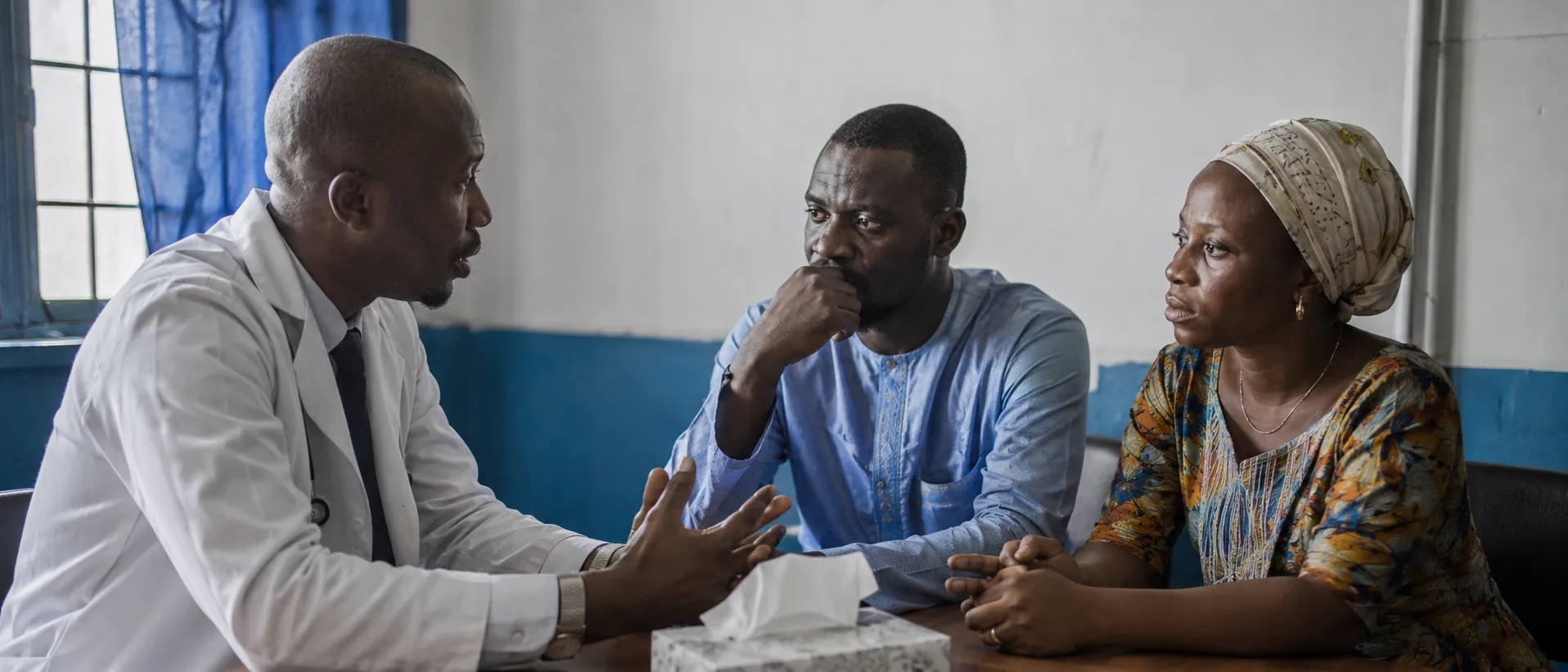
Patient stories
We are recording accounts from patients treated here, in their own words, including one woman who was turned away by several hospitals before she was admitted to this unit and recovered.
Published here shortly, with each patient's consent.
For referring clinicians
The most avoidable harm in critical care transfer in Lagos is a patient loaded into an ambulance on the assumption that a bed exists. Call us, get a named person, and get a straight answer. We would far rather tell you we are full than have a patient arrive to a unit that cannot take them.
The ICU Journal
Written for Nigerian patients, Nigerian families and Nigerian clinicians, about the things that are hardest to find clear information on.
How kidney function is measured, what the five stages mean, and the specific findings that turn dialysis from a future possibility into this week's decision.
7 August 2026
What sepsis actually is, why it kills so quickly, the signs that should send someone to hospital immediately, and what a good hospital does in the first sixty minutes.
14 August 2026
What has to be arranged before a patient moves, what to ask the receiving hospital, and why the transfer itself is the most dangerous part of the journey.
21 August 2026
Part of SkyHigh Medical Centre
This unit is part of SkyHigh Medical Centre, a 24 hour hospital in Magodo Phase II. Maternity, children, surgery, heart care, outpatient clinics and follow up after discharge from here all happen there.
Next step
The unit is staffed at every hour. Referring clinicians should call before transferring a patient so availability can be confirmed and the team can be ready on arrival.