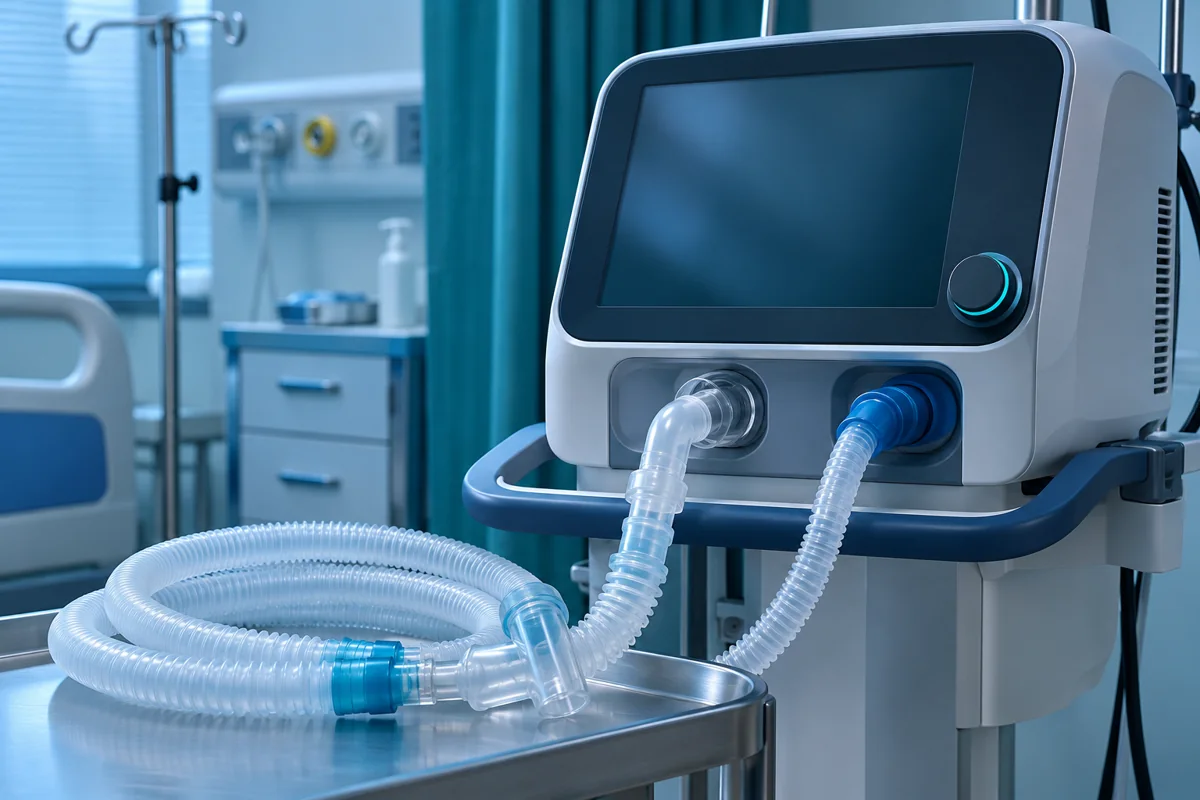
Seeing a relative connected to breathing equipment can be frightening. Ask the bedside team to explain which type of support is being used and why. A photograph of a machine or a single monitor reading cannot tell you how a particular patient is doing.
What the ventilator supports
A ventilator helps a patient breathe while the clinical team treats the underlying illness. Some patients need a breathing tube through the mouth; others may need a tracheostomy, an opening in the neck. The approach depends on the patient's condition.
Why the patient may seem sleepy
The level of alertness can be affected by the illness and medicines. Ask what sedation is being used, why it is needed and how it is being reviewed. Do not assume that less movement means deterioration, or that opening the eyes means the patient is ready to come off support.
What weaning means
Weaning is the process of reducing ventilator assistance as the patient becomes able to do more of the work of breathing. It may happen quickly or take days to weeks. The team assesses progress and adjusts support; there is no universal timetable.
Physiotherapy, nutrition and nursing care can all contribute. A patient may need more help again after an attempt to reduce support. Ask the team what changed and what the next assessment will involve.
Understanding a tracheostomy discussion
If a tracheostomy is proposed, ask about its purpose, alternatives, risks and expected care needs. It is not by itself a guarantee of recovery or evidence that recovery is impossible. The explanation should relate to your relative's overall situation.
Making family conversations useful
- What is the main reason breathing support is still needed?
- What progress or setback has occurred since the last update?
- What is the team assessing next?
- How can we communicate with or comfort our relative safely?
- Who can arrange a longer discussion if we have more questions?
Choose one family contact to receive updates and share them with others. Follow bedside guidance and never adjust equipment or give food or drink without checking with staff.
Sources and further reading
Sources checked 4 November 2026. Individual care and local arrangements may differ.
If this is your situation right now
Call the unit. If you are a clinician referring a patient, share the current clinical details so the receiving team can assess the referral before any transfer is arranged.